
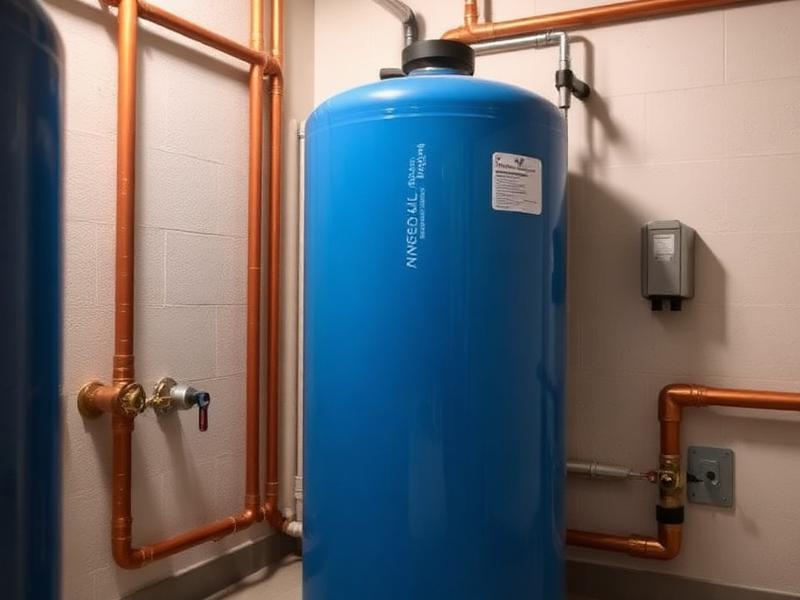
“A properly sized and pre-charged tank keeps pressure steady and stops your pump short-cycling. We install it right the first time.”
Whether it's a new well, a system upgrade or a tank that's finally given out, installation quality decides how the whole system behaves for the next decade.
We install captive-air tanks with a proper tank tee, isolation valve, drain and gauge, then set the switch so cut-in and cut-out match the tank's precharge.
How the job goes
- 1
Load calculation
We measure your pump's flow rate and your household's peak demand, then size the tank's drawdown so the pump always gets its minimum run time.
- 2
Placement and plumbing
Basement, crawl space or well house — we place the tank where it's protected from freezing, has drainage and stays serviceable, plumbed with a proper tee, valve, drain and gauge.
- 3
Precharge and switch match
The tank's air charge is set to two PSI below the switch's cut-in so the system draws on air, not the pump, at the start of every cycle.
- 4
Cycle verification
We run real demand — showers, hose bibs, appliances — and confirm run times and pressure behavior before calling it done.
Signs you need this service
- New well or new construction
- Adding bathrooms, irrigation or livestock demand
- Existing tank is undersized for the household
- Upgrading from an old galvanized tank
- Relocating equipment to a well house or basement
What's included
- Load calculation and tank sizing
- Tank tee, valve, gauge and drain assembly
- Precharge set to match switch settings
- Cycle testing under real household demand
- Old equipment removed and hauled away
What affects the cost
No two wells are identical, so we quote after diagnosis — never before. These are the factors that move the price:
- Tank size and drawdown capacity
- New plumbing runs or relocation of existing equipment
- Switch, gauge and fitting upgrades done at the same time
- Pairing with a constant pressure system instead of a conventional switch