
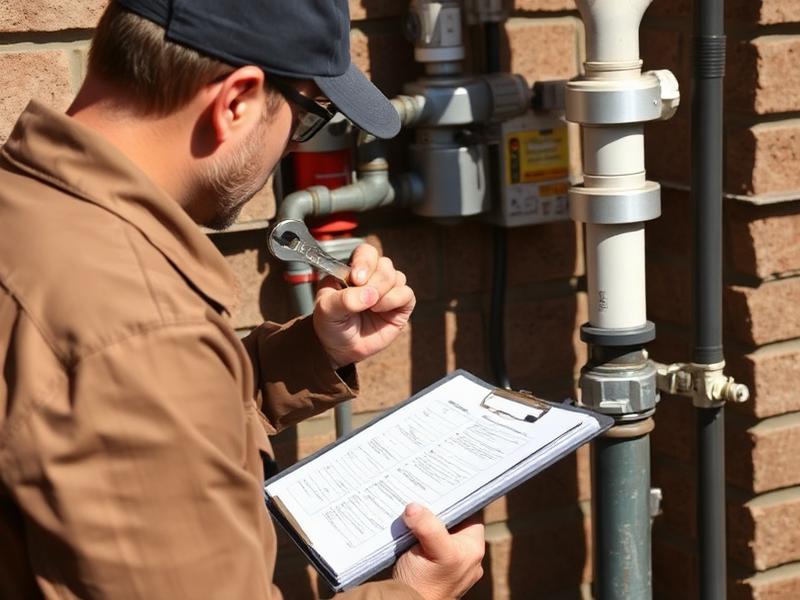
“We check the whole system on a regular tune-up so small issues get caught before they leave you without water.”
Almost every emergency call we run had warning signs months earlier: a tank losing air charge, pitted switch contacts, a pump slowly drawing more amps. An annual tune-up catches those cheaply.
Maintenance customers get priority scheduling. If your well does go down, you go to the front of the list.
How the job goes
- 1
Scheduled annual visit
We book a set time each year — most customers pick spring — and remind you when it's coming up so it never slips.
- 2
Multi-point checklist
Tank air charge, switch contacts and settings, pump amp draw and cycle times, wellhead seal, visible wiring and fittings — every component that commonly fails gets tested.
- 3
Adjustments on the spot
Tanks get recharged, switches get set and fittings get tightened during the same visit. Only real repairs become a separate quote.
- 4
Report and record
You get a record of the readings year over year, so trends — a pump slowly working harder, a tank losing charge faster — show up before the failure does.
Signs you need this service
- It's been over a year since the well was serviced
- You've never had the pressure tank charge checked
- Water hasn't been tested recently
- You want to avoid a surprise failure
- The home is a rental or second property
What's included
- Pressure tank air charge test and adjustment
- Pressure switch inspection and cut-in/cut-out setting
- Pump amp draw and cycle-time check
- Wellhead and cap seal inspection
- Basic water quality screen
- Priority scheduling on emergency calls
What affects the cost
No two wells are identical, so we quote after diagnosis — never before. These are the factors that move the price:
- System complexity — constant pressure and treatment equipment add checklist items
- Whether filter cartridges or other consumables are due
- Any repairs uncovered during the visit (always quoted and approved first)
- Distance from our Mebane base